There is a particular kind of menu that makes an owner feel generous and a kitchen feel trapped.
It has something for everyone. Three proteins in five formats. A few vegan options nobody has ordered this month. A special that cannot be prepped without opening another packet. Desserts that require three different garnishes.
It also has a cool room full of slow-moving stock and a training problem disguised as choice.
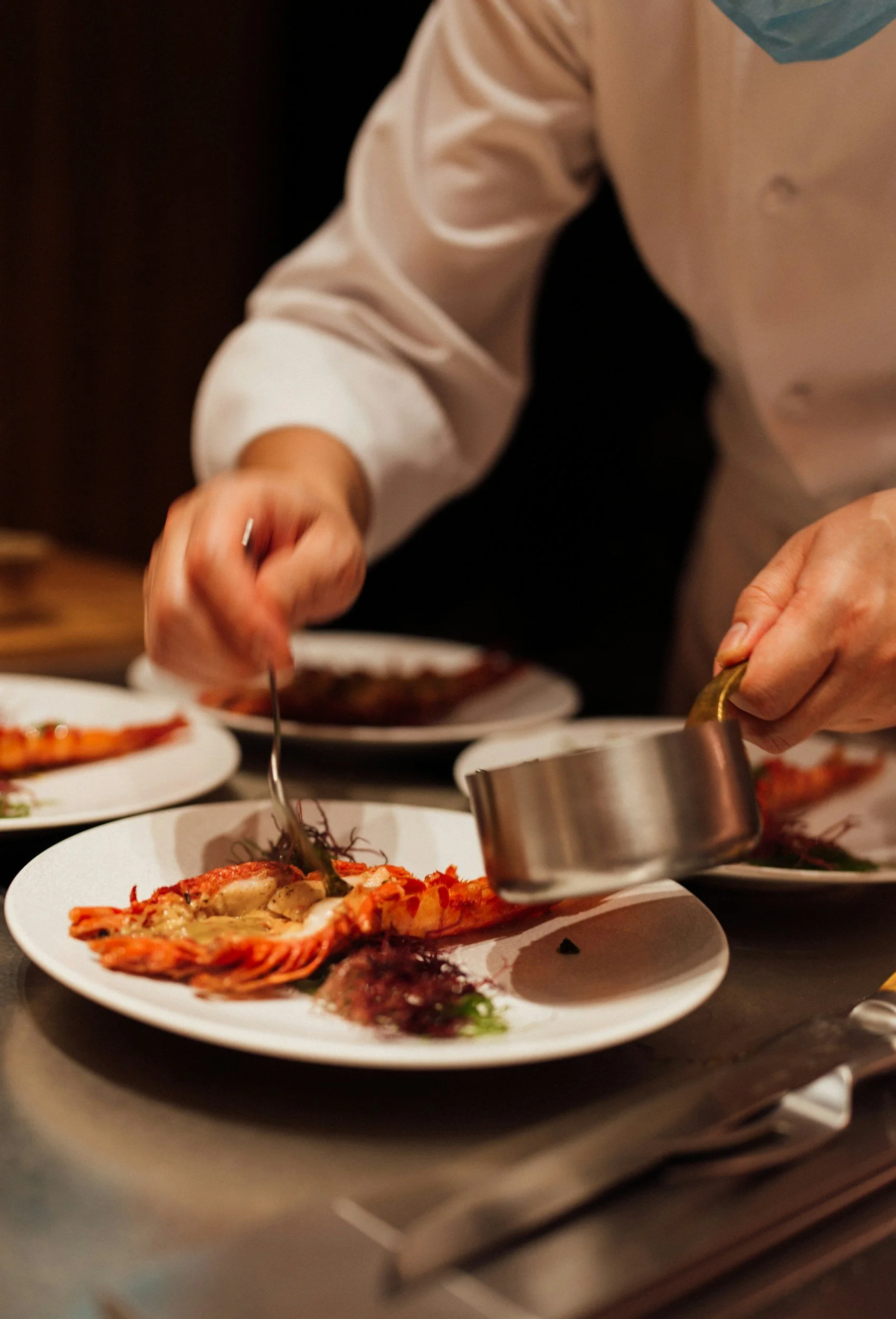
More options are not automatically better hospitality
Guests do want a choice. They do not need every possible choice.
Each menu item creates work far beyond the line on the printed page: ordering, receiving, storage, prep, recipe control, service training, allergen information, plating consistency and waste. That work is worth it if the dish earns its place.
The question is not “Do we like this dish?” It is: does it earn enough contribution for the complexity it creates?
Menu decision review
| Signal | What to check | Decision |
|---|---|---|
| Low sales | Sales mix over a consistent period | Keep, redesign or remove |
| Low contribution | Price, portion and food cost | Reprice or simplify |
| High friction | Prep, stock, training and waste | Share components or seasonalise |
| Signature value | Brand role and guest expectation | Protect deliberately |
Illustrative menu-review checklist. Replace with verified venue data.
Further reading
Use a two-column review before you cut anything
List every item. In the first column, record its sales and gross contribution from a consistent period. In the second, record its operating friction:
special ingredients only used once
prep time that cannot be shared
a recipe nobody else can confidently make
frequent modifications
a plate that causes service delays
high waste risk
You do not need a perfect model to see the pattern. A low-selling, low-contribution, high-friction dish is not a “point of difference”. It is a decision waiting to be made.
The menu can be smaller without being smaller in spirit
Do not turn menu engineering into a spreadsheet exercise that removes all personality.
Keep the dishes that define the venue, even when their contribution is not the highest. But be honest about why they stay. A signature dish is a strategic choice. A dish that survives because one regular ordered it in March is a habit.
The best simplification often happens underneath the menu. Two dishes can use one sauce. Three plates can share a garnish. One prep method can create several finishes. The guest still sees a considered menu. The team sees fewer opportunities to get it wrong.
Trial changes like an operator
Do not change everything before a busy weekend. Choose a defined menu section, document the before-state, train the team, run the change for a set period and then review the actual experience.
Watch more than sales. Did ordering become simpler? Did prep reduce? Did the pass get cleaner? Were fewer questions asked? Did guests notice?
Those are operating signals. They matter because a menu is not only a sales document. It is a production plan.
Make the decision visible
For each item, decide: keep, improve, redesign, seasonalise or remove. Write the reason next to it.
This removes the politics from the next menu conversation. The chef can see that a dish is being redesigned because its garnish creates waste, not because someone dislikes the idea. The owner can see which items are retained for brand reasons.
The goal is a menu the guest understands and the team can execute brilliantly on a busy Friday.
Separate guest preference from production burden
Not every dish that sells occasionally deserves the same place in the operation. A menu decision is not only about how much a guest likes an item. It is also about prep, stock holding, storage, training and disruption when the kitchen is busy.
Take a page of the menu and list ingredients that exist only because of one or two dishes. Then list prep jobs that cannot be shared across anything else. You will often find that a small number of decisions are carrying a large amount of complexity. That does not automatically mean cut them. It means make a conscious call: is this dish important enough to the offer to carry its own burden?
Some items deserve protection because they are signatures, favourites or important to a service period. Others can be simplified, made seasonal or retired. The useful conversation is not “what do we like?” It is “what can this team deliver well on a busy Friday?”
Test the smaller menu before announcing it
Good menu engineering is a test, not a dramatic reveal. Choose one section, one service period or one group of slow-moving ingredients. Brief the team on what is changing and why. Give them language for guests who ask for something that is no longer available. Watch the first few services closely.
Look for the operational result: is mise en place easier to set, are fewer questions reaching the pass, is the team more confident with dishes that remain, and are fewer ingredients opened for a single order? Write down what you observe rather than relying on the loudest opinion after one shift.
If the result is better, make the decision visible in recipe cards, ordering lists and training notes. If it is not, adjust the trial. A menu should be allowed to change as the operation learns.
Keep a decision record, not a menu argument
Menu conversations can become personal because the plate represents someone’s idea, skill or memory. A short decision record keeps the discussion tied to the operation. For each change, write the reason, the trial dates, the owner and what you will observe. That might be waste, prep time, consistency, guest response or ingredient use.
At the end of the trial, decide whether the item stays, changes, becomes seasonal or leaves. The record means you do not reopen the same argument every month. It also helps a new manager understand why the menu is structured as it is.
Use guest feedback with care. One request can be valuable, but it is not automatically a product strategy. Look for patterns across services and match the feedback to what the team can confidently deliver. The strongest menu is usually the one that makes a clear promise and keeps it every time.
A menu engineering review should combine price, mix and execution. If you only look at the selling price, you will miss the work that makes the margin disappear.
